

Bristol Pride 2026 returns from 27 June to 12 July with a packed programme celebrating our city’s vibrant LGBTQ+ community. Alongside the spectacular parade march and Pride Day party, this year’s festival includes everything - from the return of the much-loved Bingo Boat Party and Pride Dog Show to Circus Night at Circomedia, Queer Vision Film Festival screenings, a queer ceilidh at Bristol Beacon and a Comedy Night at Bristol Old Vic hosted by Jayde Adams. Pride Day itself is taking place on The Downs, as always, and will feature live performances from Sister Sledge, Jason Donovan, Black Box and Chloe Qisha, alongside cabaret, community spaces, family activities, food, markets and much more.
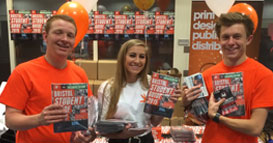
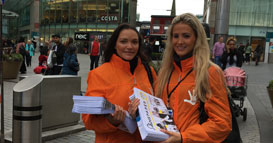
Every summer, our tiny outdoor team hop on their bikes and pedal far and wide across the city to distribute the official printed programmes for Bristol Pride. In an age of event apps, QR codes and digital schedules, it's easy to assume that printed programmes have had their day. Yet, for many of the UK’s most successful festivals and live events, the opposite is true.
Far from being outdated, a well-designed programme has evolved into something far more valuable than a timetable. It's part guide, part magazine, part keepsake and one of the few pieces of marketing that attendees actively choose to carry around all day.
For event organisers and festival promoters looking to create memorable experiences while maximising sponsor value, the humble programme remains one of the smartest investments you can make. And there’s no better example than Pride.
Bristol’s Pride celebrations are taking place from the 27th June
A Festival Is One of the Few Places People Want to Put Their Phones Away
We spend enough of our lives looking at screens.
One of the biggest appeals of festivals and live events is the opportunity to disconnect from everyday life and become immersed in the experience. While most festivals now offer an app, many attendees only use it when they have to.
Paper programmes fit naturally into that mindset. They don't require a battery, they don't depend on mobile signal or Wi-Fi, and they don't disappear behind a lock screen filled with notifications.
Whether someone is planning their day over breakfast, sitting on the grass between acts or waiting for friends, a printed programme feels like part of the festival experience rather than another piece of technology demanding attention.
People Interact with Print in Ways They Never Will with an App
A programme quickly becomes personal. You can circle the artists you don't want to miss, highlight talks, jot down recommendations from friends, add notes and even mark where you stood to watch your bucket list concert. It becomes a working companion throughout the event.
Those handwritten marks transform a programme from something produced in the thousands into something completely unique to each visitor. Digital schedules simply can't replicate that level of ownership.
It's More Than Information – It's a Souvenir
Years after wristbands have been cut off and tents packed away, the humble dusty programme surfaces for a second round of nostalgia!
Many festival-goers keep programmes for years, particularly from events that meant something special to them. They become tangible reminders of an unforgettable weekend, much like ticket stubs once were.
Think about Glastonbury. For many people, collecting programmes has become part of the tradition. They capture not only who performed, but what the event looked and felt like at that moment in time. Therefore, your programme continues promoting your event long after the gates have closed. What’s the value of that?
Make it Feel Like a Present
The best programmes aren't just lineups printed on paper.
They're packed with artist interviews, behind-the-scenes stories, maps, recommendations, sustainability information, local attractions, puzzles, competitions, sponsor features, historical insights and practical tips that attendees genuinely want to read.
When the content is engaging, the programme stops feeling like marketing and starts feeling like a complimentary magazine. People don't skim it and throw it away, they tuck it into a bag because there's another article they haven't read yet or another page to come back to later. Got a discount code, offer or competition? Even better. Sandwich it in the middle and allude to it on the front page - don’t be shy! That sense of possibility encourages people to keep hold of it throughout the event, giving every page and every advertiser more opportunities to be seen.
That's a level of engagement it’s hard to match.
Longer Lifespan Means Greater Value for Sponsors
One of the biggest challenges with event advertising is visibility. Flyers are often discarded shortly after reading and digital adverts disappear from tiny screens with a swipe. Not the humble programme! With the right content, your audience returns throughout the event to check stage times, find facilities, plan meals or discover new artists. For sponsors, that's excellent value. For organisers, it makes programme advertising significantly easier to sell.
Print and Digital Work Best Together
This isn't about choosing between print and technology, obviously. The strongest events understand that each has its place. Apps are brilliant for live updates, weather alerts, schedule changes and push notifications. Printed programmes provide the richer, more relaxed experience that people enjoy browsing throughout the day. Together, they complement each other, creating a better visitor experience than either could achieve alone.
A Reflection of Your Event
Your programme is often one of the first branded items visitors receive and one of the last they keep. Its design, photography, editorial content and print quality all contribute to how attendees perceive your event.
A thoughtfully produced programme tells visitors that you've considered every detail. It reinforces your brand, showcases your personality and creates another opportunity to leave a lasting impression.
In a competitive events market, those details matter.
Why Paper Programmes Still Earn Their Place
For organisers on a shoestring budget, ditching the printed programmes can sometimes appear to be an easy saving. In reality, they're one of the few marketing assets that attendees actively engage with, carry all day, personalise and often take home.
They enhance the visitor experience, increase sponsor visibility, strengthen your brand and become lasting souvenirs that continue telling your event's story long after the final act has finished. Digital tools undoubtedly have their place, but they haven't replaced the unique value of print.
When thoughtfully designed and filled with content people genuinely want to read, a printed programme isn't just another piece of event collateral. It’s a memory.